접수완료 Drinking Ukrainian Buckyballs To Treat Alzheimer's Disease
페이지 정보
작성자 Arnette Ziemba 조회 66회 이메일 ziembaarnette525@hotmail.co.uk 홈페이지 작성일 25-12-26 22:48본문
I'm guessing that you just heard this news right here first, pricey readers. It was surprising 5 years ago and appears just as stunning at present. I'll point out that I have not tried this therapy personally. Creation of medication for the prevention and therapy of Alzheimer's illness (Ad) is an important challenge to biomedical research in the XXI century. Synthesis of water-soluble fullerenes and carbon nanotubes opened a brand new path for drug growth, which is growing rapidly within the U.S., Europe and Asia. Rationale. One key factor in the pathogenesis of Alzheimer's disease is increased formation of aggregated kinds in the Neuro Surge Brain Support of amyloid β-peptide (1-42) (Aβ1-42). Create antiamiloid drugs is the principle thrust of growth of asthma therapy. The mission aims to research the properties of stable antiamiloidn molecular colloidal aqueous resolution of fullerene C60HyFn. Results. By transmission electron microscopy in vitro for the first time on a visual stage, it was shown that water-soluble C60 forestall and destroy the beta-amyloid. These findings led to the conclusion that the fullerene in vitro anti-aggregation has a powerful effect on the β-amyloid peptides.
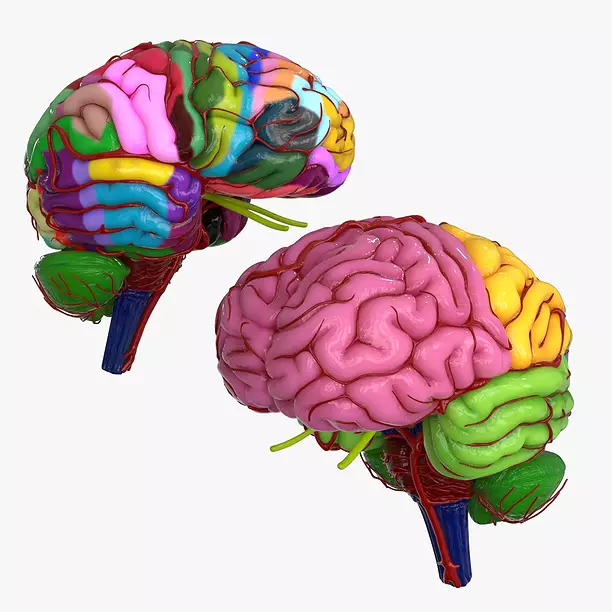 Microinjection C60HyFn (0.Forty six nmol / μl) into the hippocampus significantly lowered β-amyloid deposits in the pyramidal neurons of hippocampal CA1 neurons and warned neurodegeneration. Fluorescence microscopy of hippocampal pyramidal neurons with acridine orange and microfluoremetric analysis will present quantitative data on the restoration protein synthesizing exercise of pyramidal neurons within the hippocampus, impaired Aβ. Microinjection C60HyFn (0.Forty six nmol/1μl) to prevent violations of spatial reminiscence, because of the introduction of the hippocampus Aβ1-forty two (1.6 nmol / μl). On surviving hippocampal slices fullerene increases the exercise of pyramidal neurons in rats modified EEG frontal cortex, impaired Aβ1-42. Conclusion. Functionalized C60 path slowly act on one of the key molecular targets of Alzheimer's illness, aggregated amyloid β-peptides, and are of nice curiosity for the event of Alzheimer's illness therapy. We assume that in the primary half of the XXI century will probably be based mostly on fullerenes developed an effective prevention and treatment of Alzheimer's illness.
This work was supported by a grant of the Presidium of RAS "basic sciences Medicine" and the state contract the Ministry of higher Education and Science of the Russian Federation No. P1052. Ukrainian scientists, who found a method to make Carbon 60 or Neuro Surge Brain Support C-60 or fullerenes or buckeyballs water soluble about 15 years in the past, have made progress on the Alzheimer’s entrance treating it with Fullerene Water Solution (FWS) and with conventional treatment. This was approved as a "dietary supplement" by the Ukrainian Ministry of Health in 2010, and simply several weeks in the past they started producing a water drink in Ukraine with .0002mg/100ml of C-60. Below is a really tough Google Translation from the Russian unique. Obviously, this research just isn't on the radar of most western researchers. Unfortunately, at current, has not but discovered medicine that may stop or reverse the development of trigger neurodegenerative process. Alzheimer's disease is related to a decrease in the water content material in the mind and increased formation of amyloid protein (beta-amyloid peptide Aβ1-42). The threads of this protein like vines entwine the neurons of the mind, disrupting their work and worsening reminiscence. In November 2011, Podolsky reported to the Presidium of RAS outcomes of their work finished in accordance with the program "Fundamental science - medicine." It was proven that the water has a fullerene antiamiloidnymi properties. Microinjection of water prevents the formation of amyloid by fullerene and destroyed "threads" of amyloid protein. This led to a discount of neurodegenerative changes in the mind of rats and restore lost reminiscence.
Prevagen shows how a dietary supplement can thrive on the marketplace for years despite accumulating dozens of violations and elevating alarm amongst authorities regulators, all unbeknownst to most customers. Critics say the FDA doesn't police the $forty billion complement business successfully, leaving Americans at risk. Even leaders of some of its largest commerce associations say they're sad with the FDA’s failure to enforce the legislation. The product’s persistence is also a testomony to the seductive power of its promise-that getting older does not should mean changing into more forgetful-and to Mark Underwood, the man who says he came up with the idea and for years touted it as an unqualified success. Public paperwork, inner FDA emails, interviews with former employees and FDA officials, in addition to interviews with consultants and Underwood’s parents, inform a distinct story. The idea that a protein found in jellyfish could improve the human mind occurred to Underwood serendipitously, as he tells it. In his self-printed guide The Brain Health Guide, he describes how, at the library one evening within the nineteen nineties, he came across an article about a swimmer who developed neurological signs after a jellyfish sting.
It was then that his inspiration struck, he writes: "Could what was within the jellyfish assist to support humans, specifically our brains, in the identical means because the jellyfish? Underwood’s parents remember it in another way. Diane and Lynn Underwood raised their solely son close to a small city known as Mosinee, Wisconsin. When Underwood graduated from high school there in 1991, the inhabitants was lower than 4,000. In the yearbook that 12 months, most of the seniors describe starry-eyed but modest professional targets, like happening to varsity or touchdown a job they’d get pleasure from. At college, Underwood confirmed an interest in medicine-a area his mother was also drawn to. Diane has multiple sclerosis, a chronic illness that may attack the central nervous system. It turned her right into a "medical junkie," she says. She would pour over articles in science journals looking for something that could supply hope to patients like herself. There are remedies for MS, however no known cure. For the reason that disease restricted her body, Diane says she was attracted to the way jellyfish appeared to maneuver so simply.
답변목록
등록된 답변이 없습니다.